Who Are Orientals: Magenta Realism
About this event
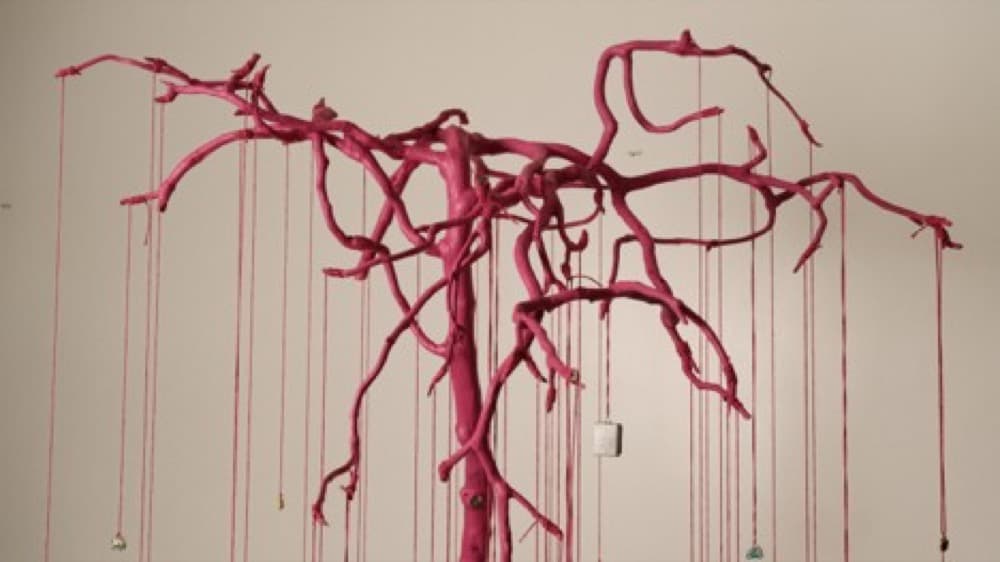
About forty years ago, when Sharon first came to California, she was told that she was “Oriental.” She was also told that certain tables and chests were “Oriental,” and that a particular decorative style was likewise considered “Oriental,” even though these things looked unfamiliar. The works in this exhibition are largely produced in what she was told is an “Oriental” style or manner. They originate from dried Boston ivy vines resembling twisted tree branches, gathered after years of growth without human intervention and coated with an artificial magenta surface. The application of magenta coating violently interrupts this natural index. Historically, magenta is among the first fully synthetic modern pigments, inseparable from industrial chemistry, mechanical reproduction, and the chromatic excess of modernity. Here, color no longer functions descriptively, but operatively. The magenta surface transforms the dead vines into unstable signs oscillating between the imagined seductions of the “Oriental” and the chromatic excess of industrial modernity, between contamination and ritual, and between transcendence and artifice. If the branches retain the temporality of decay, the color introduces what Jean Baudrillard might describe as the logic of simulation: reality intensified precisely through its artificiality. The works also echo a reversed form of classical Chinese literati aesthetics. Where traditional literati painting often pursued “compression through weathered emptiness” — reducing the world into ink, void, and gesture — these works enact a compression through chromatic saturation. The tangled vine becomes a condensed structure of historical memory, while magenta operates almost as a contemporary counterpart to ink: not natural, but hyper-artificial; not withdrawn, but aggressively present. Suspended between objecthood and theatricality, ruin and ornament, realism and hallucination, the works propose a different understanding of realism itself. Reality here is not achieved through representation, but through direct material presence complicated by cultural coding, synthetic color, and the unstable perceptual systems through which contemporary viewers encounter nature. ABOUT THE ARTIST Sharon Tsao is a sculptor, art historian, and educator whose work explores the intersections of nature, memory, cultural identity, and material transformation. She received a B.A. in Sculpture from the China Academy of Art in 1982 and earned a Ph.D. in Art History from Stanford University in 1996. Tsao has taught Art History at Postsecondary Educational institutions, where she supervised graduate research in art history. Her works have been exhibited, collected, and auctioned internationally, and are held in private and public collections in Asia, North America, and Europe. This calendar listing is brought to you by Sacramento365, the region’s one-stop, online calendar for arts and entertainment events, powered by Visit Sacramento and the City of Sacramento’s Office of Arts and Culture (OAC).
Listing via Sacramento365 · details can change — confirm with the organizer
More events around Sacramento

Jul 4, 7:00 PM
The Murder Mystery Co’s Dinner Theater Show
1910 J Street, Sacramento, CA 95814

Jul 4, 8:00 PM
STEM Fatales Improv (CANCELLED)
1050 20th St., Sacramento, CA 95811

Jul 4, 8:00 PM
The Two Kids That Blow Sh*t Up
Capital Stage Theatre, 2215 J Street, Sacramento, 95816, United States
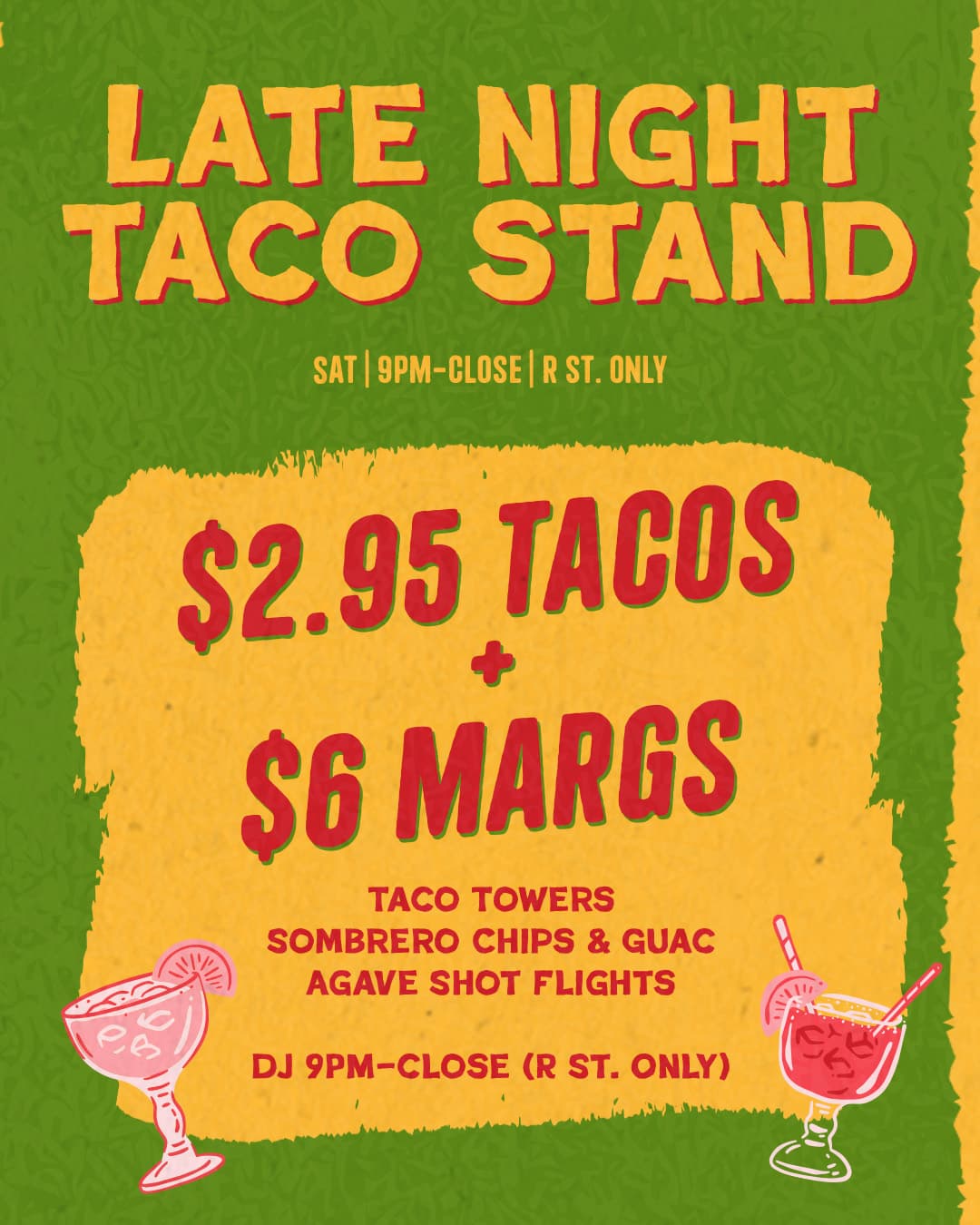
Jul 4, 9:00 PM
Late Night Taco Stand - Mas Taco Bar
1800 15th St, Sacramento, CA 95811
Never miss a weekend
The best of what's happening around Sacramento, in your inbox a few times a week.